
How to Determine If Sensarte Is Non-Toxic
When choosing cookware, you want to be sure it’s safe for you and your family. Sensarte non-toxic cookware claims to offer a ceramic coating that is free from harmful chemicals. But how can you confirm that for yourself?
You’ll need to look beyond marketing and understand the materials, certifications, and testing behind the brand. Before you decide, it’s important to know what standards Sensarte meets and how it compares to other options on the market.
Understanding Non-Toxic Cookware Standards

Although non-toxic cookware comes in various materials, you should always check that it meets strict safety standards restricting harmful chemicals like PFOA, PTFE, and PFAS. These chemicals have been linked to health risks, so cookware standards focus on eliminating them.
Always ensure your non-toxic cookware meets safety standards that restrict harmful chemicals like PFOA, PTFE, and PFAS.
When choosing non-toxic cookware, look for certifications like SGS, FDA, or EPA compliance, which show the product has undergone rigorous safety testing.
Materials such as natural ceramic are popular because they typically don’t contain heavy metals like lead or cadmium that can leach into your food.
Manufacturers often provide lab test results or certification labels to prove their cookware meets these standards. By verifying these details, you ensure your cookware is genuinely non-toxic and safe for everyday use.
Key Ingredients in Sensarte Cookware
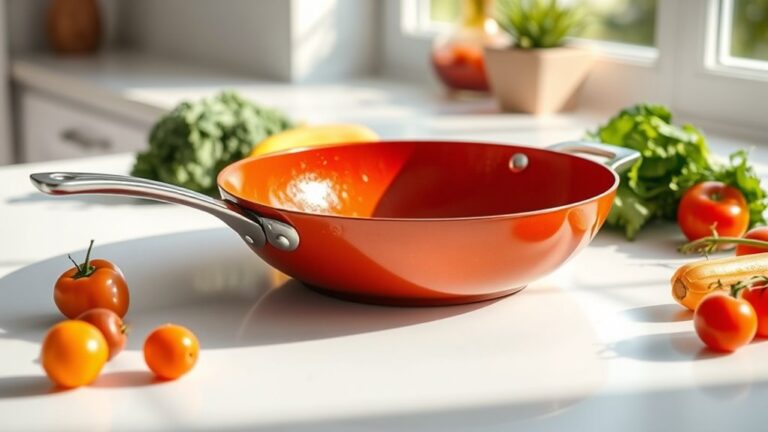
When selecting non-toxic cookware, understanding the materials used plays a big role in ensuring safety. Sensarte cookware features a natural ceramic coating that’s both PFOA free and PFAS free, made from non-toxic ingredients like silicon dioxide and metal oxides.
This ceramic coating creates a durable nonstick surface that resists wear without releasing harmful chemicals. The cookware’s cast aluminum body with a stainless steel base avoids toxic plastics or coatings, adding to its safety.
Sensarte also prioritizes eco-friendly manufacturing, ensuring that every key ingredient aligns with health-conscious standards.
Chemical-Free Certification and Testing
How can you be sure Sensarte cookware is truly chemical-free? Sensarte undergoes rigorous certification and testing to guarantee non-toxic quality. Independent SGS testing confirms its ceramic coatings withstand over 30,000 wear-resistant cycles without releasing harmful chemicals.
Laboratory chemical analysis detects no PFOA, PFAS, or any of 96 related compounds, proving Sensarte’s claim to be free from chemicals. The manufacturing process avoids toxic substances like lead and cadmium, backed by third-party certification.
This extensive testing and certification ensure Sensarte cookware meets strict non-toxic standards. When you choose Sensarte, you’re selecting cookware verified to be safe through detailed chemical analysis and SGS testing, free from harmful PFOA, PFAS, and other toxins, making it a trustworthy chemical-free option for your kitchen.
Comparing Sensarte With Traditional Nonstick Pans
While traditional nonstick pans often rely on PTFE coatings that can release toxic fumes at high heat, Sensarte cookware uses a natural ceramic coating free from harmful chemicals like PFOA, PFAS, lead, and cadmium.
Sensarte cookware features natural ceramic coatings without PFOA, PFAS, lead, or cadmium, unlike traditional PTFE pans.
You’ll appreciate that Sensarte’s ceramic coating is PFOA free and boasts superior heat resistance, safely handling temperatures up to 550°F without emitting toxic fumes.
Unlike many traditional nonstick surfaces that degrade or peel over time, Sensarte offers exceptional durability, passing over 30,000 wear-resistant tests. This means your nonstick surface stays intact and scratch-resistant longer, ensuring safer, long-term use.
Plus, independent testing confirms no detectable PFAS compounds in Sensarte pans, setting them apart from conventional nonstick cookware that may contain residues due to manufacturing.
Choosing Sensarte means opting for a safer, more durable ceramic nonstick experience.
Health Risks Associated With Harmful Cookware Chemicals
Understanding the materials in your cookware is key to protecting your health. Harmful nonstick coatings often contain chemicals like PFOA and PFAS, which pose serious health risks such as cancer, liver damage, and immune suppression.
When overheated, these pans can release toxic fumes that cause respiratory problems and flu-like symptoms. You also risk chemical exposure if coatings degrade or chip, allowing harmful particles to enter your body and accumulate over time.
Unlike traditional nonstick coatings, ceramic cookware like Sensarte is free from PFOA, PFAS, and other persistent chemicals, making it a safer, more environmentally friendly choice.
Choosing ceramic cookware reduces your exposure to toxic substances and helps protect both your health and the environment.
How Sensarte Avoids PFAS, PFOA, and Other Toxins
Because Sensarte uses natural ceramic coatings free from PFAS, PFOA, PTFE, lead, and cadmium, you can trust their cookware to be free of harmful chemicals. Their ceramic coating is rigorously SGS tested, passing over 30,000 wear-resistant trials, proving its durability and toxin-free quality.
Sensarte explicitly labels its products as PFOA free and PFAS free, ensuring you’re choosing genuine non-toxic cookware. Unlike traditional pans, Sensarte’s chemical-free surface won’t release toxic fumes when overheated, making it safer for your kitchen.
Plus, Sensarte’s manufacturing process is environmentally friendly, preventing harmful substances from forming or lingering in the cookware. By avoiding these toxins, Sensarte offers you peace of mind with cookware that’s both safe to use and eco-conscious.
Manufacturing Practices Ensuring Safety
Sensarte guarantees your cookware stays safe by using natural ceramic materials free from harmful substances like PFAS, PFOA, lead, and cadmium in their manufacturing process. Their manufacturing practices emphasize certified safety through SGS safety testing, ensuring no toxic chemicals contaminate the cookware.
They apply non-toxic coatings that pass stringent wear-resistance evaluations, proving durability without compromising safety. Sensarte also prioritizes eco-friendly materials, minimizing chemical emissions and using recyclable components.
Here’s what you should know about their safety-focused manufacturing:
- Material quality features natural ceramics and high-grade cast aluminum with stainless steel bottoms.
- Safety testing is SGS-certified, confirming non-toxicity.
- Non-toxic coatings undergo rigorous wear-resistance tests.
- Eco-friendly manufacturing reduces chemical emissions and waste.
These combined practices ensure your Sensarte cookware remains safe and durable.
User Reviews and Safety Feedback
While many cookware brands claim safety, user reviews consistently confirm that Sensarte products are free from harmful substances like PFOA, PTFE, PFAS, lead, and cadmium. You’ll find that the ceramic coating is chemical-free and doesn’t flake or emit fumes, easing health concerns.
The certification backing Sensarte reinforces its non-toxic status. Here’s a snapshot of typical user reviews and safety feedback:
| Aspect | User Experience |
|---|---|
| PFOA Free | Confirmed by multiple user reviews |
| Ceramic Coating | Durable, no flaking or fumes reported |
| Health Concerns | Minimal, users feel safe cooking daily |
| Certification | Enhances trust in non-toxic claims |
These insights help you feel confident choosing Sensarte for a safer cooking experience.
Best Practices for Maintaining Non-Toxic Cookware
User feedback and certifications give you confidence in the non-toxic quality of your cookware, but maintaining that safety requires some care. To keep your Sensarte cookware safe and durable, follow these best practices:
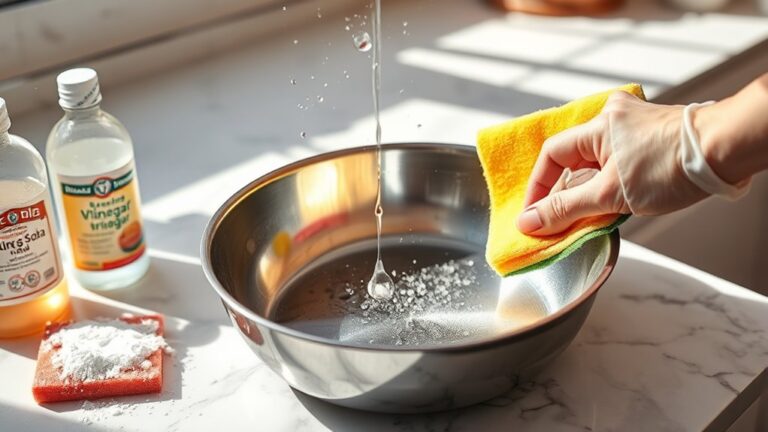
- Always hand wash with soft sponges and mild detergents to protect the ceramic coating from damage.
- Avoid metal utensils; use silicone, wooden, or plastic tools to prevent scratches on the ceramic surface.
- Cook on low to medium heat to preserve the non-toxic ceramic surface and avoid overheating.
- Regularly inspect for scratches, chips, or peeling to ensure continued food safety.
Frequently Asked Questions
Are Sensarte Pans Non-Toxic?
Yes, Sensarte pans are non-toxic. You can trust their natural ceramic coating is free from harmful chemicals like PFOA and PFAS.
Plus, they don’t emit toxic fumes when overheated, keeping your cooking safe.
Do Sensarte Pans Have Teflon in Them?
No, Sensarte pans don’t have Teflon in them. They use a ceramic nonstick coating made from natural materials, free of PTFE and PFOA, so you won’t worry about harmful chemicals or fumes while cooking.
How to Tell if Cookware Is Non-Toxic?
You check if the cookware’s labeled free of toxic chemicals like PFOA or lead, review safety certifications, and guarantee it uses natural materials or safe nonstick coatings.
Always trust verified third-party testing and clear manufacturer claims.
What Are Common Complaints About Sensarte?
Like paint peeling off an old wall, Sensarte users often complain about ceramic coating chipping, peeling, and staining.
You might also struggle with durability, especially if you use high heat or metal utensils frequently.
Conclusion
When you choose Sensarte, you’re not just picking cookware—you’re inviting safety and peace of mind into your kitchen. With its natural ceramic coating free from harmful toxins and certifications backing its purity, Sensarte stands as a fortress against chemicals like PFOA and PFAS.
Just like a gentle breeze keeps the air fresh, proper care guarantees your cookware remains a healthy companion. This turns every meal into a safe, nourishing experience you can trust.
To determine if Sensarte is non-toxic, look for its natural ceramic coating and verify the absence of toxic substances. Sensarte’s commitment to safety ensures your cookware supports a healthy lifestyle.