Does Caraway Cookware Have Teflon?
Imagine reaching for a pan that promises a smooth cooking surface without the worry of harmful chemicals. If you’re curious whether Caraway cookware contains Teflon, you’re not alone. Many people want to know what’s really inside these sleek pots and pans before trusting them in their kitchen.
Understanding the materials and coatings used in Caraway cookware can reveal much about their safety and performance. So let’s take a closer look at whether Caraway cookware has Teflon and what that means for your cooking experience.
What Materials Are Used in Caraway Cookware?
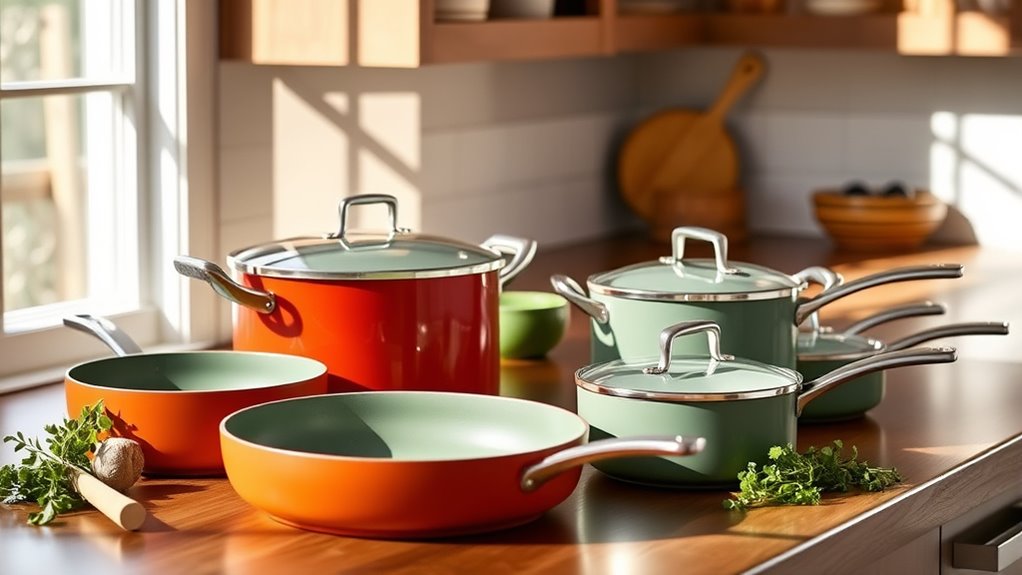
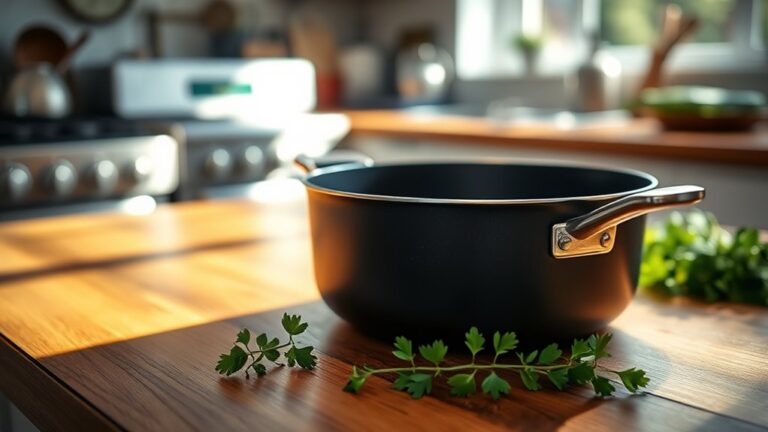
When you cook with Caraway cookware, you won’t find any Teflon or synthetic fluoropolymers in its ceramic non-stick coating. This PTFE free, proprietary ceramic is made from a sol-gel processed silica base combined with minerals like zirconium and titanium dioxide nanoparticles.
Caraway’s manufacturing partners prioritize non-toxic cookware, ensuring the ceramic non-stick coating contains no synthetic chemicals or harmful substances such as lead and cadmium. Third-party testing confirms the absence of heavy metals and toxins, so you can trust what’s on your cookware surface.
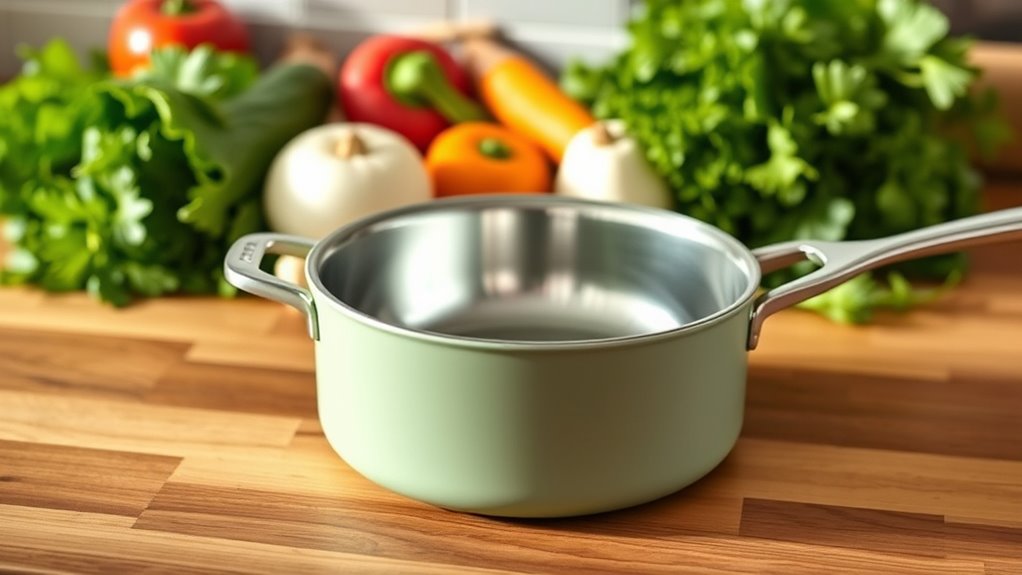
Unlike traditional pans with chemicals like PTFE, Caraway avoids hazardous compounds like PFOA and PFAS. The cookware features an aluminum core and stainless steel bases and handles, combining durability with safe, clean materials you’ll appreciate in your kitchen.
Health and Safety Benefits of Caraway’s Ceramic Coating
Caraway’s ceramic coating offers significant health and safety advantages compared to traditional non-stick surfaces. Because it’s Teflon-free and PTFE-free, you avoid exposure to harmful chemicals and toxic fumes that can leach from conventional pans.
This non-toxic cookware resists heavy metals and doesn’t release toxins, ensuring better food safety and fewer health risks. The low-temperature sol-gel process used to make the ceramic coating further reduces chemical exposure.
When you cook with Caraway, you get a safer, chemical-free surface that supports healthier meals without the worry of leaching contaminants.
| Concern | Caraway Ceramic Coating |
|---|---|
| Chemical Exposure | Minimal due to sol-gel process |
| Heavy Metals | No leaching confirmed |
| Teflon (PTFE) | Completely absent, safer choice |
Environmental Impact and Manufacturing Ethics
Although some ceramic coatings may wear out faster than traditional non-stick surfaces, you can appreciate how Caraway minimizes its environmental impact by using a silica-based ceramic formed through a low-temperature sol-gel process and sustainable manufacturing practices like recycled packaging and biodegradable trivets.
This eco-friendly manufacturing process avoids harmful substances such as Teflon, ensuring safe cookware free from synthetic chemicals.
Caraway’s ceramic coating undergoes rigorous third-party certification and toxicity testing, confirming the absence of heavy metals like lead and cadmium.
By prioritizing biodegradable materials and sustainable practices, Caraway demonstrates a strong commitment to reducing environmental impact.
While the shorter lifespan of ceramic coatings may raise concerns, Caraway’s transparency and adherence to environmental and safety standards help you make an informed, eco-conscious cookware choice.
Performance and Durability of Caraway Cookware
Since the cookware features a ceramic-based, PTFE-free sol-gel coating, you can expect excellent non-stick performance that often surpasses traditional ceramic or Teflon surfaces. This ceramic coating guarantees smooth food release, making cooking and cleaning easier.
Caraway’s non-toxic cookware undergoes rigorous testing for toxins, confirming it’s free from heavy metals and harmful substances.
While its durability is rated good for 2-3 years under normal use, many users enjoy long-lasting nonstick qualities even after six months of daily cooking.
To maximize its lifespan, you should follow proper care and maintenance, such as avoiding metal utensils and excessive high heat.
Although it has decent high heat resistance, gentle use helps preserve the ceramic coating’s integrity and performance over time.
Comparing Caraway to Traditional Teflon Cookware
When choosing cookware, understanding the differences between Caraway and traditional Teflon pans can help you make a safer and more informed decision. Caraway uses a ceramic coating made from mineral-based materials, making it PTFE free and a non-toxic cookware option.
In contrast, traditional non-stick pans rely on synthetic chemicals like Teflon, which may release toxic fumes if overheated. Caraway’s ceramic non-stick surface is heat-safe up to 550°F, prioritizing food safety without compromising performance.
Here’s why this comparison matters to you:
- Protect your health by avoiding synthetic chemicals
- Enjoy worry-free cooking with no toxic fumes
- Choose durable, eco-friendly ceramic coating
This clear comparison highlights Caraway’s commitment to safer, non-toxic cookware over traditional options.
Customer Experiences and Expert Reviews
If you’re curious about Caraway’s claims, customer reviews and expert analyses consistently confirm that its cookware contains no Teflon or PTFE coatings. It relies instead on a ceramic-based non-stick surface that prioritizes safety.
Both lab testing and expert reviews highlight Caraway’s chemical-free, non-toxic nature, making it a trusted nonstick option. Customer experiences praise its durable ceramic coating and emphasize peace of mind regarding health concerns.
| Aspect | Insight |
|---|---|
| Teflon Presence | No detectable Teflon or PTFE per lab tests |
| Safety | Non-toxic, chemical-free ceramic coating |
| Expert Reviews | Confirm absence of synthetic fluoropolymers |
| Customer Experiences | Positive feedback on nonstick performance and safety |
Frequently Asked Questions
Are Caraway Pans Teflon Free?
Yes, Caraway pans are Teflon-free. You’ll appreciate their ceramic-based coating that avoids synthetic chemicals, providing a safer, non-toxic non-stick surface.
You won’t find any PTFE or PFOA in their cookware.
Do Caraway Pans Leach Chemicals When Heated?
Think of Caraway pans as a sturdy fortress; they don’t leach chemicals when heated. You can cook confidently, knowing their ceramic coating keeps everything safe, even at high temperatures within recommended limits.
What Are the Negatives of Caraway Cookware?
You might find Caraway cookware less durable since its ceramic coating can wear, scratch, or crack over time.
It’s less heat-resistant, so you’ll likely replace it sooner than metal or cast iron pans.
What Cookware Is 100% Non-Toxic?
You deserve cookware as pure as a mountain spring—100% non-toxic options include ceramic, glass, stainless steel, and properly seasoned cast iron.
They’ll never leach harmful chemicals, keeping your meals safe and delicious every time you cook.
Conclusion
You won’t find Teflon lurking in Caraway cookware. Instead, you get a thoughtfully crafted ceramic surface that’s kinder to your health and the planet. It’s a gentle reminder that sometimes, safer choices don’t come with compromises.
When you cook with Caraway, you’re embracing a more mindful kitchen experience—one where performance meets peace of mind, quietly transforming everyday meals into something a little more special.
In conclusion, Caraway cookware offers a Teflon-free alternative with its ceramic non-toxic coating, making it a healthier and eco-friendly choice for your cooking needs.